
Every day, universities must process a large volume of documents related to students, faculty, and research activities. These documents often contain sensitive information and are a crucial part of maintaining the academic and administrative management systems of the institution. Therefore, secure document destruction is not a simple task — it must be carried out carefully to protect personal data and comply with legal regulations.
Proper document destruction not only minimizes the risk of data breaches but also helps universities maintain their credibility and uphold their reputation.
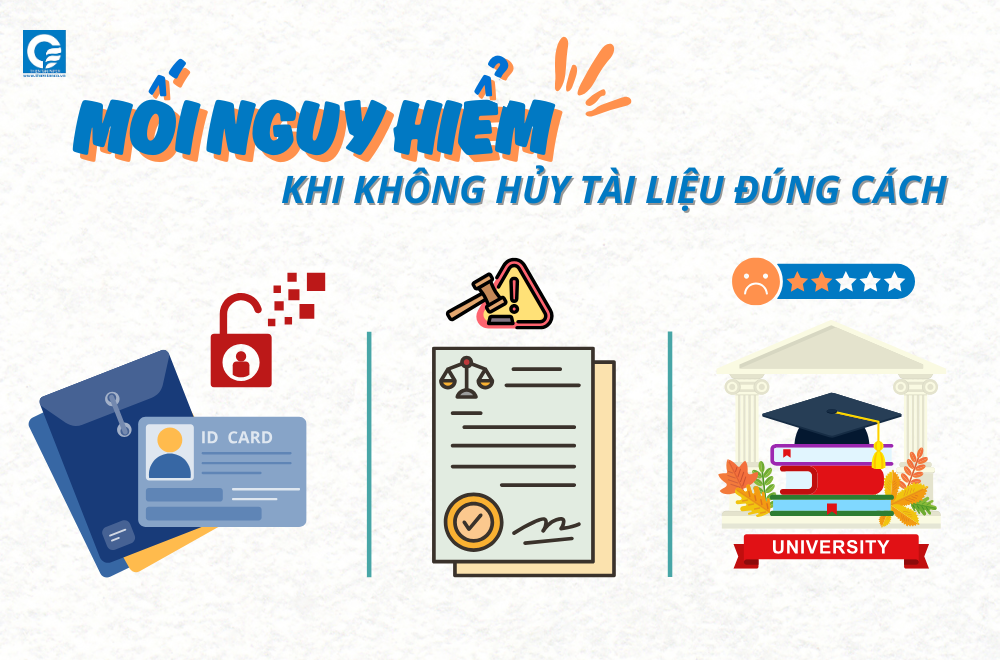
The Dangers of Improper Document Destruction
Failing to securely destroy confidential documents can lead to serious consequences. These risks not only harm the individuals involved but also affect the overall academic environment of the university:
- Leakage of personal information
Documents may contain personal information of students and faculty, such as full names, addresses, phone numbers, academic records, and even medical information. Exposing this data can create opportunities for malicious actors to exploit it, causing harm to individuals or the institution. Moreover, the leakage of personal information can expose the university to lawsuits from individuals whose privacy rights have been violated. - Violation of legal regulations
Universities are required to comply with legal regulations concerning the protection of personal information, as outlined in Decree 52/2013/NĐ-CP, the Education Law 2019, and other relevant legal documents. Failure to follow proper security procedures and document destruction protocols may result in penalties or compensation claims due to violations of personal data protection regulations. - Impact on the university’s reputation
When personal information is leaked, the university’s reputation can be severely damaged. This may lead to a decline in trust from students, faculty, and educational partners. Furthermore, data breaches can negatively affect student enrollment and create doubts about the university’s management capabilities.
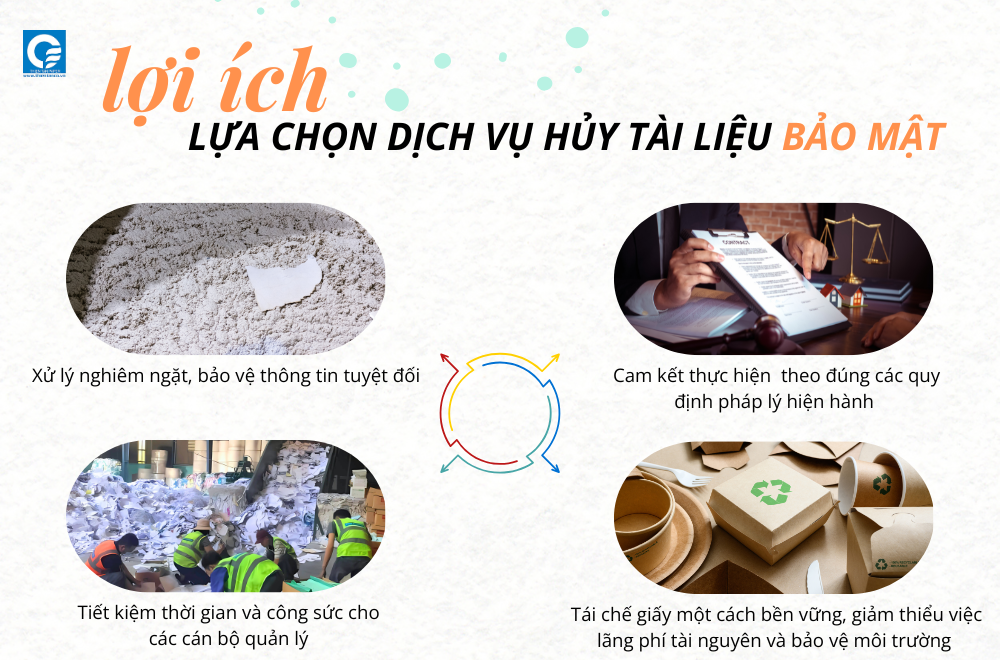
Benefits of Choosing Secure Document Destruction Services
- Absolute protection of personal information
Our service is committed to using the most advanced technologies and processes to ensure that documents containing personal information are never exposed. We handle confidential documents with strict security measures, providing absolute protection for your information. - Compliance with legal regulations
Minh Thành Paper is committed to carrying out document destruction services in full compliance with current legal regulations. This helps universities avoid potential risks and penalties that may arise from failing to adhere to personal data protection laws. - Saving time and effort
Managing documents within a university can sometimes become a burden. Minh Thành Paper’s document destruction service helps reduce this workload, saving time and effort for administrative staff. - Environmental benefits
Minh Thành Paper’s secure document destruction service promotes sustainable paper recycling, reduces resource waste, and helps protect the environment.
Classification of Documents That Need to Be Destroyed at Universities
In an educational environment, documents that need to be properly handled and destroyed can be categorized into various types, each with its own level of importance and confidentiality requirements. Classifying documents ensures that all sensitive information is securely protected while also complying with legal regulations.
- Student documents
Student personal records—including admission files, transcripts, academic results, health insurance information, test results, and other medical data—fall under the category of sensitive documents that require special handling. These documents contain personal information and can be easily misused if not securely destroyed. - Faculty and staff documents
This includes personnel files, employment contracts, payroll records, and documents related to job responsibilities and insurance. These are also important documents that must be kept confidential to prevent unauthorized access or data breaches. - Research and academic documents
Research reports, theses and dissertations, scientific studies, and ongoing project documents. These materials may contain valuable and innovative information that could be stolen or misused if not properly destroyed. - Financial and administrative document
Financial reports, payment documents, contracts, receipts, and other administrative records. Improper destruction of these documents can lead to legal issues related to taxation or financial disputes. - Non-digitized documents
Paper documents that have not been digitized but contain sensitive information must also be securely destroyed—especially those related to meetings, administrative decisions, or important legal records.
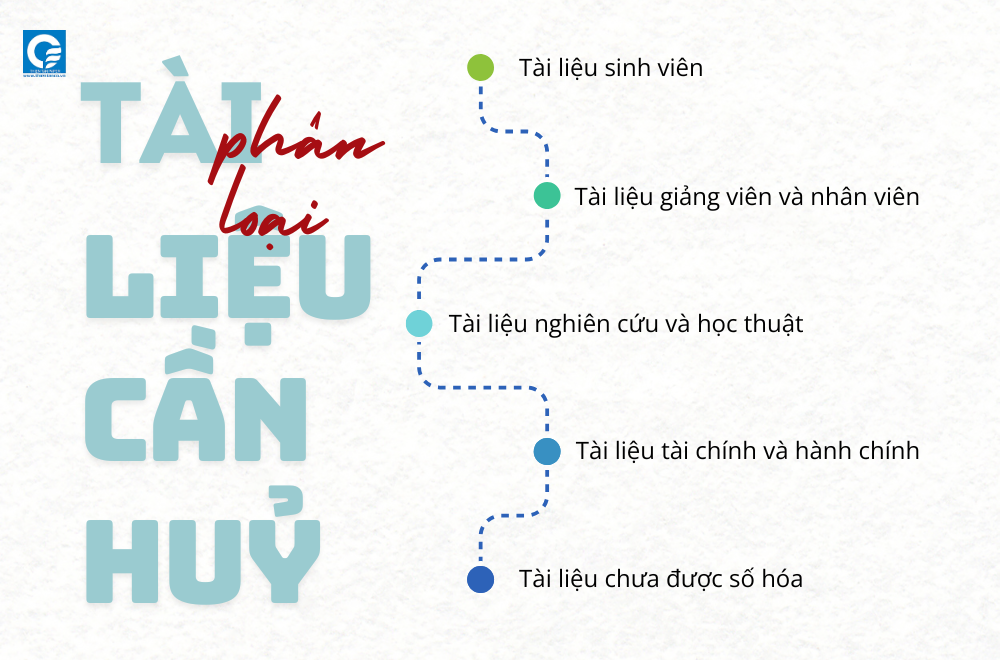
This classification helps universities and educational institutions determine the necessary level of document protection and implement proper destruction procedures that comply with legal regulations, while safeguarding the rights of students, faculty, and the institution itself.
Minh Thành Paper – Secure Destruction Solution for Universities
- Professional and reputable
Minh Thành Paper has a well-trained team with expertise in security and document destruction processes, ensuring the delivery of professional secure document destruction services. - Strict security procedures
We apply international standards to ensure the absolute protection of your documents and personal information. - Long-term cost savings
Secure document destruction services help universities save long-term costs by minimizing legal risks and enhancing data protection. - Dedicated customer service
Minh Thành Paper is committed to providing fast, efficient service and consistently supporting clients throughout the entire document handling process.
Contact Minh Thành Paper Today
To ensure your university’s documents are securely and safely destroyed, contact Minh Thành Paper today. We are committed to delivering reliable, high-quality services in full compliance with legal regulations—maximizing the protection of your information.


