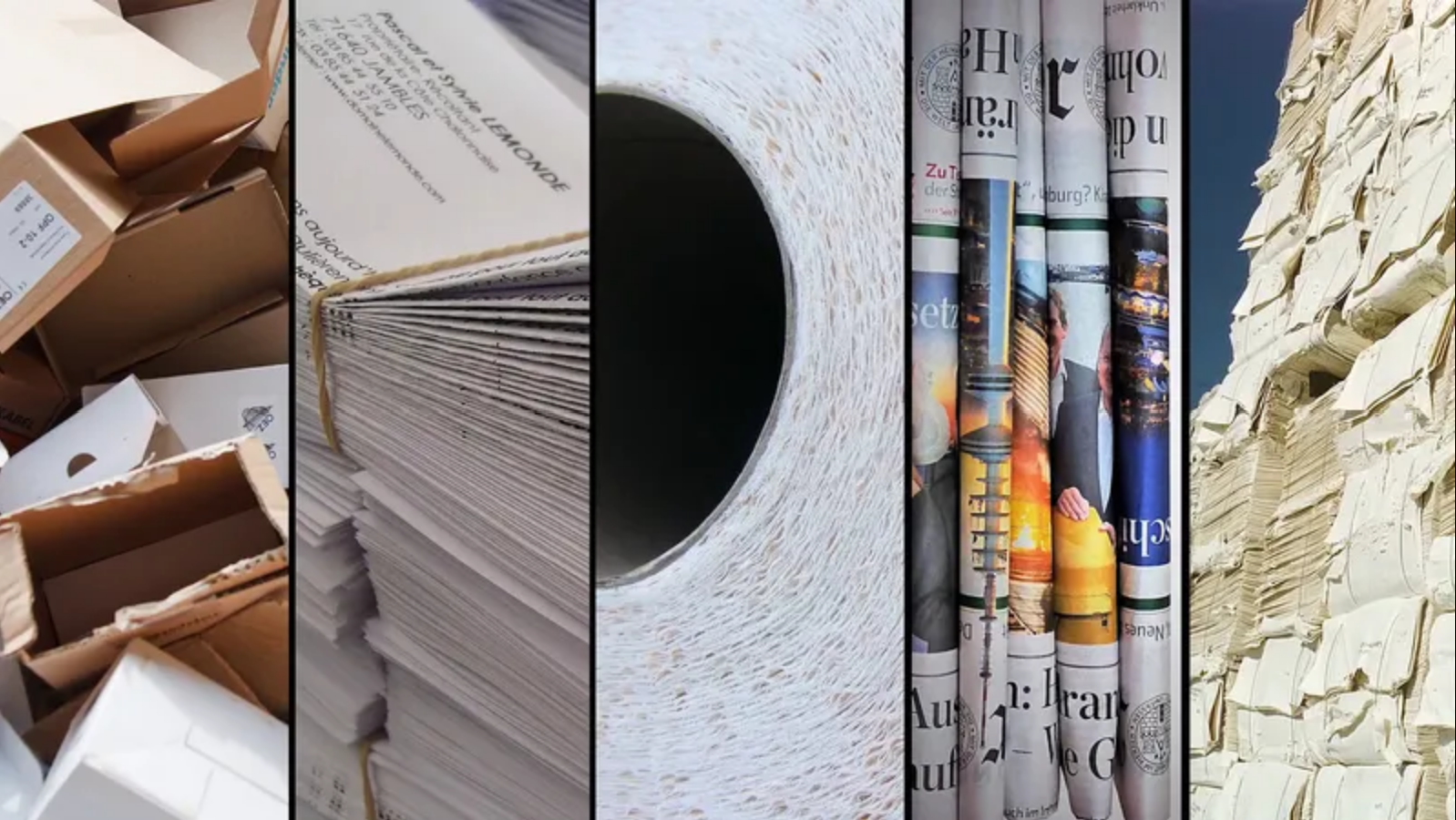
If there is one material that has become an inseparable part of human activity, it is paper. This thin sheet made from cellulose, a polysaccharide that plays an important role in the structure of plants, has been closely linked with humanity almost since the beginning.
However, the paper production industry consumes large amounts of energy and water, and also contributes significantly to global greenhouse gas emissions.
In fact, this industry has a significant impact on the environment, and the industrial process of producing paper from virgin fibers—mostly sourced from trees—is one of the largest sources of air and water pollution.
In recent decades, the use of recycled paper has increased significantly, helping to reduce the demand for raw materials and consume 70% less energy compared to paper made from virgin fibers. However, global paper demand continues to rise, and paper consumption is still considered a key indicator of development, accounting for about 4% of industrial GDP in the global economy.
Therefore, pollution control in the paper industry is essential, both in the production of pulp and final processing, as it is responsible for 2% of global industrial emissions.
The main gas emitted during the production of paper and cardboard is carbon dioxide (CO2), one of the main contributors to the greenhouse effect and the acceleration of climate change. For every kilogram of paper produced, approximately 3.3 kg of CO2 is released into the environment.
Reducing the amount of CO2 emitted into the air can be achieved through technological innovation and improving the efficiency of certain processes, such as paper drying. Similarly, by establishing networks of pollution sensors, polluting gases can be detected early and air quality deterioration can be prevented. This is the most effective solution to improve environmental conditions and ensure a more sustainable future for life on Earth.
Paper Production Process
Industrial paper production processes require virgin wood fibers, which must be sourced from sustainably managed forests.
First, the bark is removed so that the wood can be chipped into small pieces. These chips are then used to create a pulp mixture containing an organic polymer called lignin, which is a structural component of the tree’s cell walls and bark.
The pulp can be produced through a chemical process, in which the wood chips are cooked to extract the lignin. However, if a mechanical method is used, the wood fibers are separated to create basic paper products, such as newspaper and magazine paper.
Regardless of the method used, the pulp must be mixed with water at a water-to-pulp weight ratio of 100:1. After mixing, the mixture is spread out to evenly distribute the fibers that will form the sheet of paper. This sheet is then pressed to reduce its water content by 50%.
The next step is drying, where the paper sheet is passed through metal rollers at a temperature of 100ºC. A second roller system combines compression and heating to create the characteristic smooth and shiny surface of the paper.

Types of Pollution in the Paper Industry
Although the paper industry is one of the main drivers of economic development and progress, and our daily lives would be very different without paper, it also has a significant impact on the environment.
Firstly, paper production processes consume large amounts of energy and natural resources, especially water. Secondly, these processes are also responsible for generating solid waste and emitting greenhouse gases.
While recycled paper requires less energy to produce and is more sustainable, it still generates solid waste and consumes a significant amount of water.
The environmental impacts caused by the demand for paper can be categorized into different types of pollution:
Water Pollution
The paper industry is one of the largest consumers of water, using it in almost every process, from turning wood into pulp to bleaching paper. Producing one sheet of paper requires 10 liters of water, placing great pressure on this vital resource, which is essential for life on Earth.
Furthermore, the chemicals used in the production of pulp and in the final bleaching process, primarily chlorine dioxide, are also harmful to both the environment and human health.
Water is also used to remove paper fibers and inorganic compounds during manufacturing, as well as chemicals that result from reactions in various industrial processes.
The wastewater from these production processes eventually flows into natural water sources, contaminating ecosystems and harming aquatic life. This also directly affects the quality of water used by humans in their daily lives.