

Paper is an essential part of our daily lives, appearing in everything from packaging and stationery to books and household items. Whether it’s a cereal box in the morning, a notebook in the classroom, or a receipt at checkout, paper is everywhere. Since we rely so much on paper, ensuring its sustainable production and disposal is crucial. Fortunately, paper is one of the most widely recycled materials in the world, helping to reduce waste and protect natural resources.
The State of Paper Recycling
Paper Waste and Recycling in the U.S.
The United States generates a substantial amount of paper waste. According to the Environmental Protection Agency (EPA), in 2018, 67.4 million tons of paper and paperboard waste were produced—accounting for 23.1% of total municipal solid waste (MSW). However, the country also boasts high recycling rates, with 46 million tons of paper being recycled that same year, achieving a recycling rate of 68.2%—one of the highest among all recyclable materials.
Cardboard recycling, in particular, is even more successful. The American Forest & Paper Association reported an OCC (Old Corrugated Containers) recycling rate of 91.4% in 2021.

One reason for this success is that paper can be recycled five to seven times before its fibers become too weak to reuse. This longevity, combined with ongoing industry efforts to educate consumers and improve recycling infrastructure, has led to an increase in paper recycling rates over the years. Today, nearly 80% of U.S. paper mills use recycled paper to manufacture new products.
The Environmental Benefits of Paper Recycling
Reducing Landfill Waste
Landfills are rapidly reaching capacity, occupying vast amounts of land and emitting harmful greenhouse gases, particularly methane, which is significantly more potent than CO₂. In 2018, 17.2 million tons of paper and paperboard ended up in landfills, making up 11.8% of total MSW disposal. Increasing paper recycling efforts can dramatically slow landfill expansion and free up space for non-recyclable waste.
Conserving Natural Resources
Recycling one ton of paper can save:
- 17 trees, reducing deforestation and preserving biodiversity.
- 380 gallons of oil, decreasing the reliance on fossil fuels.
- 7,000 gallons of water, crucial for conserving freshwater resources.
- Enough energy to power an average home for six months.
For example, Stanford University recycled over 2,303 tons of paper, preventing the destruction of approximately 32,115 trees—a testament to how large-scale recycling efforts can significantly impact conservation.
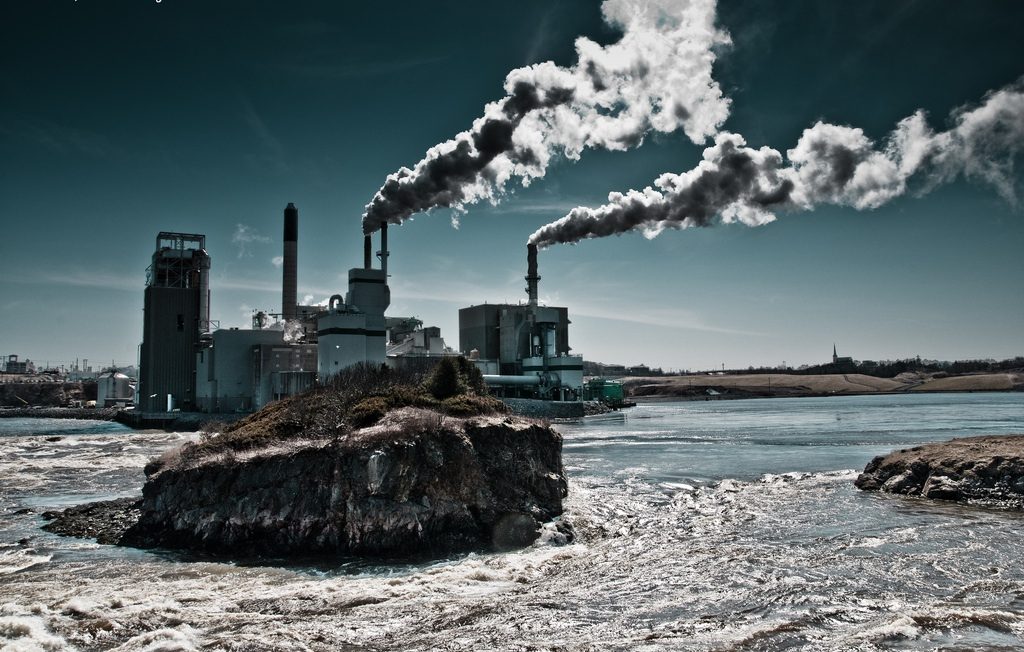
Lowering Carbon Emissions
Producing paper from recycled materials uses significantly less energy than manufacturing it from raw wood pulp. This translates to a lower carbon footprint, making recycling a critical solution in the fight against climate change.
Helping Businesses and the Economy
Paper recycling is not only good for the environment but also benefits businesses:
- Cost Savings: Diverting paper waste from landfills reduces disposal costs.
- Tax Incentives: Many governments provide financial benefits for businesses that implement sustainable recycling programs.
- Consumer Appeal: Eco-conscious consumers are more likely to support brands that prioritize sustainability and waste reduction.
How Paper Recycling Works
How Paper Recycling Works
Step 1: Collection
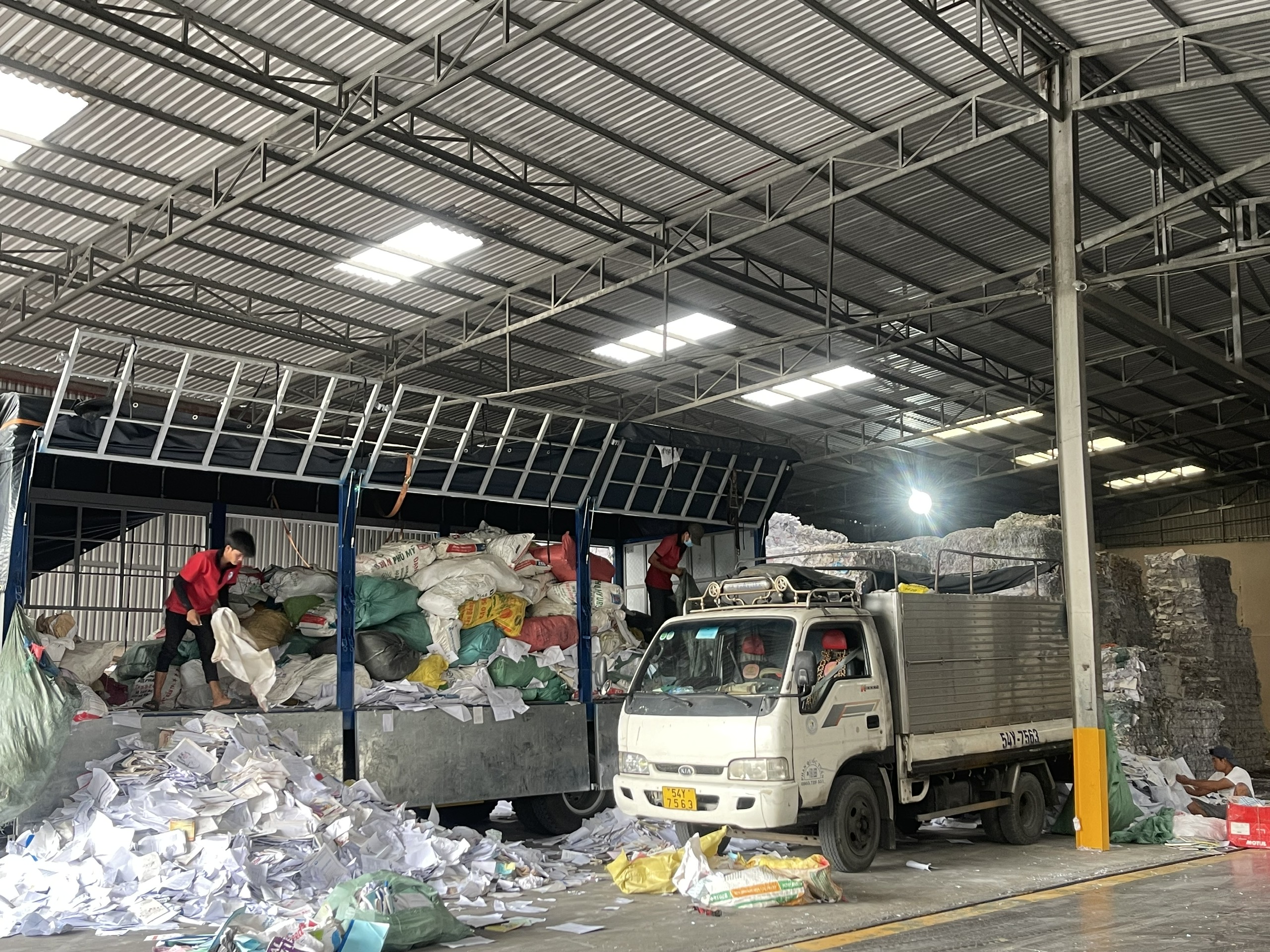
Step 2: Transportation and Sorting
After collection, the paper is transported to a material recovery facility (MRF), where it is sorted into different categories, such as:
- Newspapers, magazines
- Printing paper, office paper
- Cardboard, carton boxes
- Mixed paper
Sorting is crucial because each type of paper requires a different processing method. For example, glossy magazine paper is processed differently from standard writing paper.
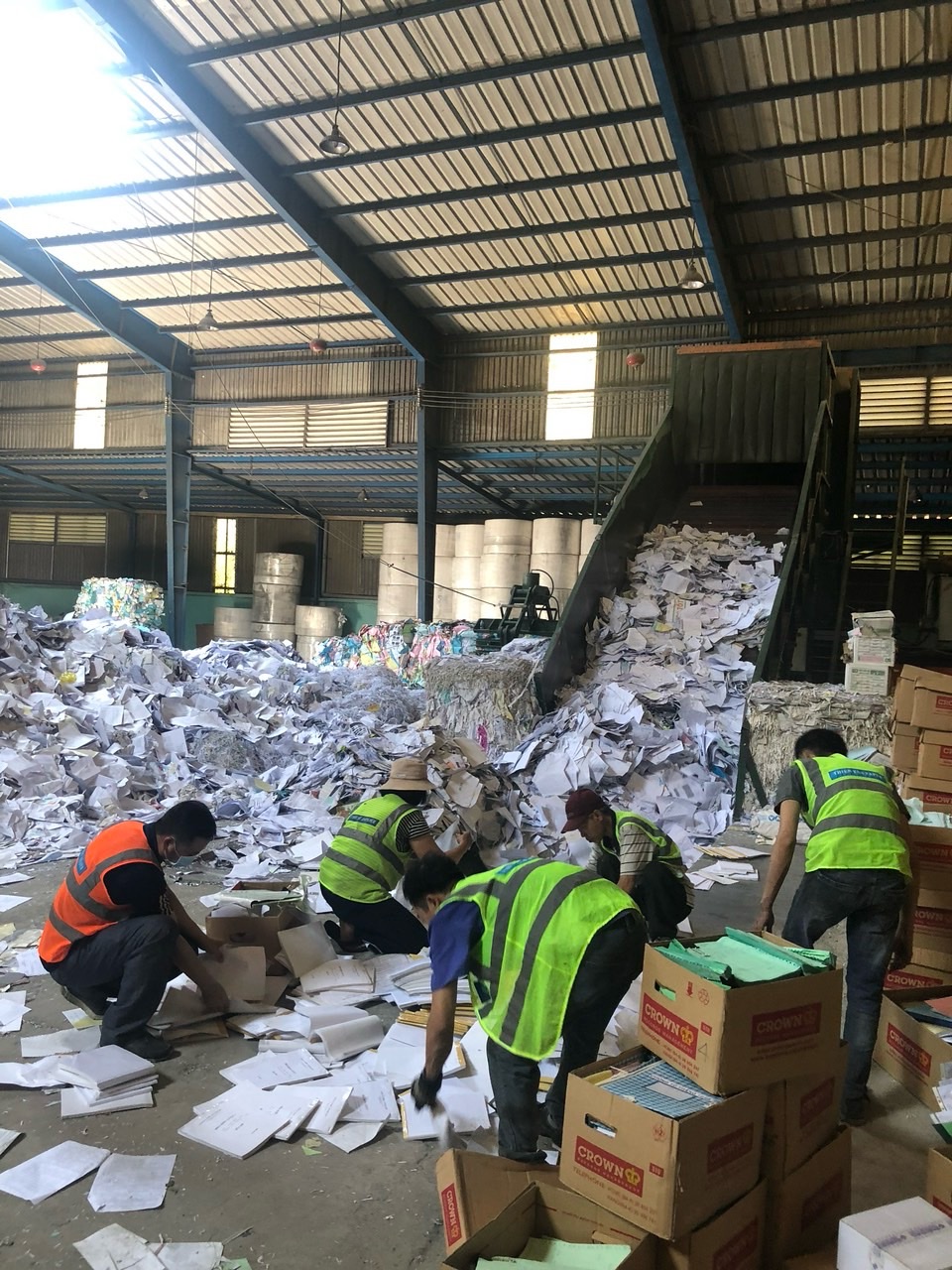
Step 3: Shredding and Pulping
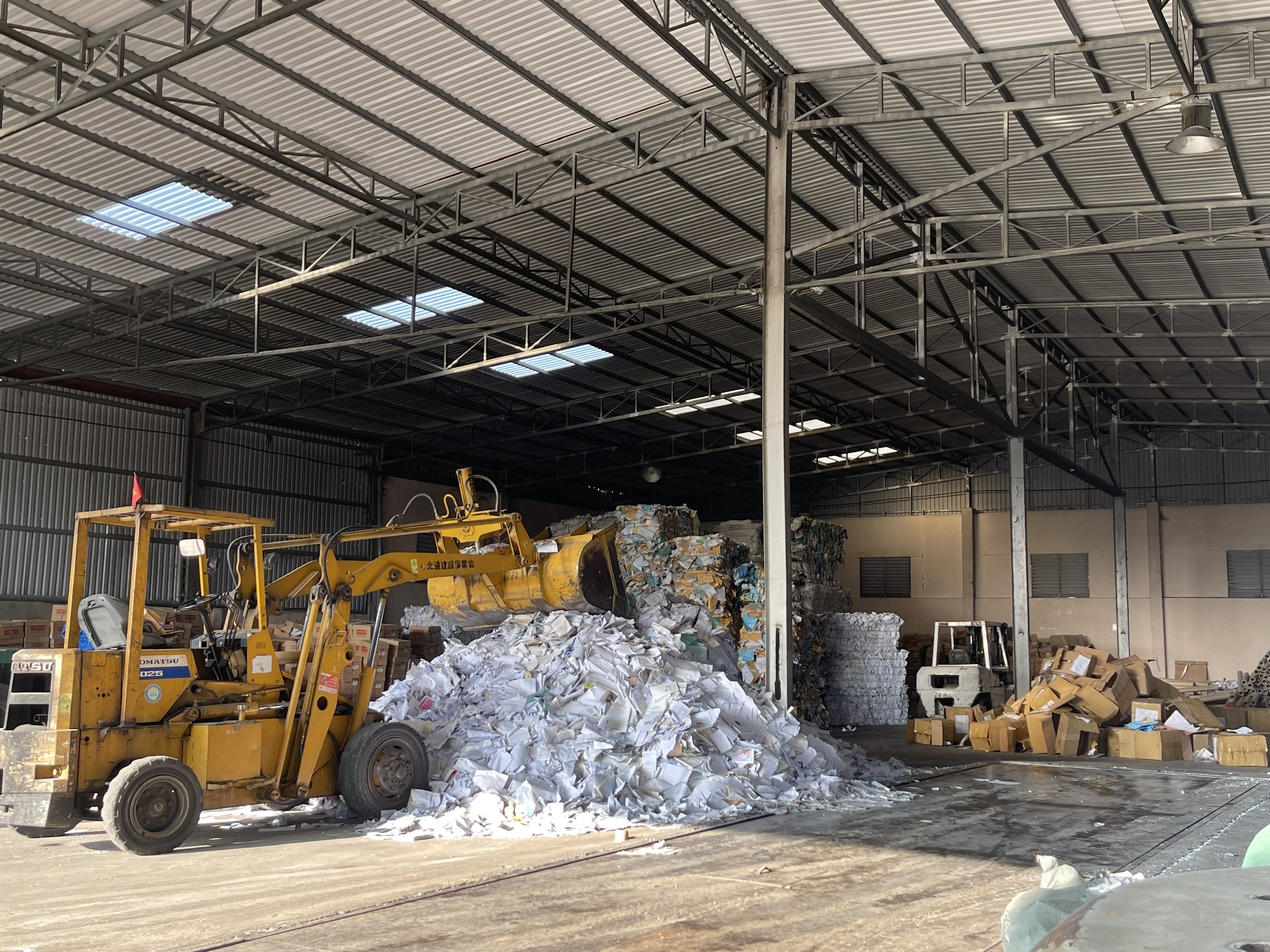
Step 4: De-Inking
Step 5: Drying and Reuse
Once the pulp has been cleaned, it is passed through giant rollers to remove excess water. At this stage, the pulp consists of about 99% water and 1% paper fibers. It is then dried into continuous sheets of paper. The paper is then cut, rolled, and sent to manufacturers to create new products such as:
- Writing paper, notebooks, newspapers
- Carton boxes, paper packaging
- Tissue paper, toilet paper

Together for a greener planet!
The paper recycling industry plays a crucial role in environmental protection by:
- Reducing deforestation
- Saving water and energy
- Decreasing landfill waste
- Limiting greenhouse gas emissions
How can you contribute?
- Properly sort paper waste, avoiding contamination with grease or organic waste.
- Reuse paper whenever possible, such as writing on both sides.
- Encourage communities and businesses to participate in recycling efforts.
We can do even more:
- Promote better recycling habits among businesses and households.
- Support policies that encourage paper recycling and sustainable forest management.
- Invest in advanced recycling technologies to improve efficiency.


